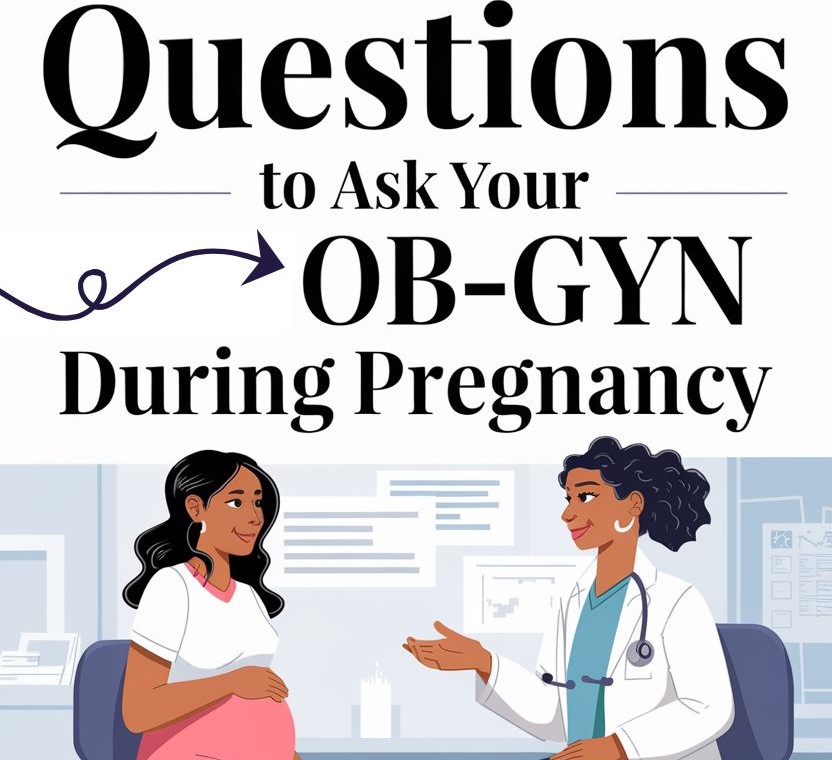
Regular visits to an OB-GYN (Obstetrician-Gynecologist) are essential for maintaining women’s reproductive health and overall well-being. However, many women are unsure about what questions they should ask during these appointments.
Preparing a list of important questions can help you better understand your health, address concerns, and receive personalized medical advice. Whether you’re visiting for a routine check-up, pregnancy planning, or hormonal concerns, asking the right questions ensures you make the most of your consultation.
Here are 10 important questions you should consider asking during your next OB-GYN visit.
1. Are My Menstrual Cycles Normal?
Menstrual cycles can vary from person to person, but significant changes in cycle length, heavy bleeding, or severe pain may indicate underlying health issues.
Ask your doctor if your cycle patterns, symptoms, and duration are within a healthy range.
2. What Screenings or Tests Should I Take?
Preventive screenings are essential for early detection of many conditions. Your doctor may recommend tests based on your age, health history, and risk factors.
Common screenings include:
• Pap smear tests
• HPV screening
• Breast examinations
• Hormone level testing
These tests help monitor reproductive health and detect problems early.
3. How Can I Maintain Hormonal Balance?
Hormones play a major role in regulating menstrual cycles, metabolism, skin health, and mood. Hormonal imbalances can lead to symptoms such as fatigue, acne, irregular periods, and weight changes.
Ask your doctor about lifestyle habits, diet, and treatments that can help maintain healthy hormone levels.
4. What Are the Signs of PCOS or Other Hormonal Disorders?
Polycystic Ovary Syndrome (PCOS) is a common condition that affects many women. Early diagnosis is important to manage symptoms and protect long-term reproductive health.
Discuss symptoms such as:
• Irregular periods
• Excess hair growth
• Acne or oily skin
• Difficulty conceiving
Your doctor can guide you on testing and management options.
5. What Birth Control Options Are Best for Me?
There are many birth control options available, including hormonal pills, intrauterine devices (IUDs), implants, and barrier methods.
An OB-GYN can help you choose the most suitable option based on:
• Your health history
• Lifestyle
• Pregnancy plans
• Hormonal considerations
6. How Can I Improve My Fertility?
If you are planning a pregnancy in the future, it is helpful to discuss fertility health with your doctor.
Ask about:
• Fertility-supporting lifestyle habits
• Nutritional recommendations
• Ovulation tracking
• Fertility testing if needed
Early awareness can help improve reproductive planning.
7. What Lifestyle Changes Support Women’s Health?
Lifestyle factors such as diet, exercise, stress levels, and sleep quality play a major role in maintaining reproductive and hormonal health.
Your doctor may recommend:
• Balanced nutrition
• Regular exercise
• Stress management techniques
• Preventive health screenings
8. Are My Symptoms Related to Hormonal Changes?
Symptoms like mood swings, fatigue, hair loss, or skin changes may be linked to hormonal fluctuations.
Discussing these symptoms can help doctors evaluate potential conditions such as:
• Thyroid disorders
• Perimenopause
• Hormonal imbalance
9. How Often Should I Schedule Women’s Health Check-Ups?
Regular gynecological visits are important even when you feel healthy. Ask your doctor how frequently you should schedule screenings based on your age and health history.
Routine visits help monitor long-term reproductive and hormonal health.
10. How Can I Maintain Overall Women’s Wellness?
Women’s health goes beyond reproductive care. Your doctor can provide guidance on maintaining overall wellness, including:
• Preventive health screenings
• Skin and hair health
• Hormonal wellness
• Mental health support
A holistic approach helps maintain both physical health and confidence.
The Growing Importance of Women’s Wellness and Aesthetic Medicine
Today, healthcare is expanding beyond traditional treatments to include holistic wellness and aesthetic medicine. Many women seek treatments that improve both health and confidence.
Advanced procedures such as:
• Skin rejuvenation treatments
• Hair restoration therapies
• Anti-aging procedures
• Medical-grade facial treatments
are increasingly offered by doctors trained in clinical cosmetology and aesthetic medicine.
Expanding Your Medical Expertise in Aesthetic Medicine
As the demand for aesthetic treatments continues to grow, many medical professionals are enhancing their expertise through specialized training programs.
The International School of Clinical Aesthetics (ISCA) offers advanced training programs that combine scientific education with hands-on clinical practice, helping doctors master modern aesthetic procedures.