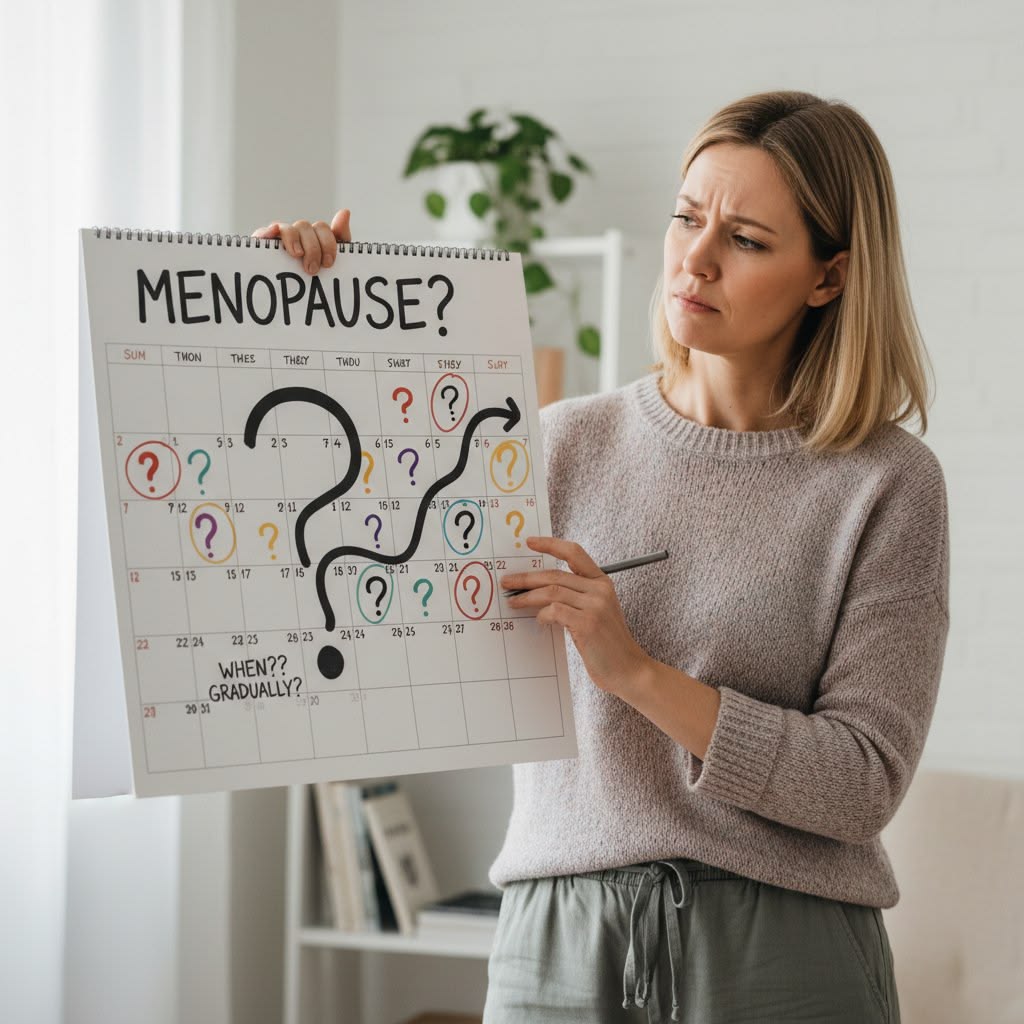
Menopause is a natural stage in every woman’s life that marks the end of menstrual cycles and reproductive years. It usually occurs between the ages of 45 and 55, although it can happen earlier or later depending on individual health and genetics.
While menopause is a natural biological process, it can bring several physical, emotional, and hormonal changes. Understanding these changes helps women prepare for this phase and manage symptoms effectively.
In this guide, we explore what menopause is, common symptoms, and practical ways to manage this transition with confidence and care.
What is Menopause?
Menopause is diagnosed when a woman has not had a menstrual period for 12 consecutive months. It occurs due to a natural decline in reproductive hormones, primarily estrogen and progesterone.
Menopause typically happens in three stages:
1. Perimenopause
This phase begins several years before menopause. Hormone levels fluctuate and women may start noticing irregular menstrual cycles and early symptoms.
2. Menopause
This stage occurs when menstrual periods stop completely for 12 months.
3. Postmenopause
After menopause, the body adjusts to lower hormone levels. Some symptoms may improve, but long-term health considerations such as bone health and heart health become important.
Common Symptoms of Menopause
Every woman experiences menopause differently. Some may have mild symptoms, while others may experience more noticeable changes.
Common symptoms include:
• Hot flashes and night sweats • Irregular or missed periods • Mood changes or irritability • Sleep disturbances • Fatigue and reduced energy • Weight gain or slower metabolism • Dry skin and hair thinning • Reduced bone density
Recognizing these symptoms early helps women take steps to manage them effectively.
How to Prepare for Menopause
Preparing for menopause involves adopting healthy habits that support hormonal balance and overall well-being.
1. Maintain a Healthy Diet
A balanced diet helps manage weight, maintain bone strength, and support hormonal health.
Important nutrients include:
• Calcium for bone health • Vitamin D for calcium absorption • Protein for muscle strength • Healthy fats for hormone balance
Including fruits, vegetables, whole grains, and lean proteins in daily meals can support overall wellness.
2. Stay Physically Active
Regular exercise helps reduce menopause symptoms and improves overall health.
Benefits include:
• Improved mood and mental health • Better sleep quality • Stronger bones and muscles • Healthy weight management
Activities like walking, yoga, strength training, and stretching are particularly beneficial.
3. Manage Stress and Prioritize Mental Health
Hormonal changes during menopause can impact emotional well-being. Practicing stress-management techniques can help maintain mental balance.
Helpful practices include:
• Meditation and mindfulness • Deep breathing exercises • Maintaining social connections • Engaging in hobbies and relaxation activities
4. Schedule Regular Health Check-Ups
Routine medical check-ups help monitor health during and after menopause. Doctors may recommend screenings for:
• Bone density • Blood pressure • Cholesterol levels • Hormonal health
Preventive healthcare ensures early detection of potential health concerns.
5. Focus on Skin and Hair Health
Hormonal changes during menopause can affect skin elasticity, hydration, and hair growth.
can help maintain healthy skin and improve confidence.
Doctors trained in clinical cosmetology and aesthetic medicine can provide these advanced treatments safely.
The Growing Importance of Women’s Wellness and Aesthetic Medicine
Today, healthcare increasingly combines preventive medicine, wellness care, and aesthetic treatments to support overall well-being.
Women often seek treatments that improve both health and appearance, including skin rejuvenation, hair treatments, and anti-aging procedures.
Healthcare professionals trained in aesthetic medicine are able to provide these services using modern techniques and evidence-based practices.
Expand Your Career in Aesthetic Medicine
With the growing demand for aesthetic treatments, many doctors are choosing to expand their expertise in clinical cosmetology and aesthetic medicine.
The International School of Clinical Aesthetics (ISCA) offers specialized training programs designed to provide advanced knowledge, hands-on clinical training, and expert mentorship.
These programs help doctors confidently perform modern aesthetic procedures and build successful practices.